Our children were born in the early 70s. There was no Internet. In fact, there were no smartphones, computers, or tablets.
- Instead, our kids had a mother who read to them when they were a few weeks old.
- She also taught them how to read. We had books everywhere.
As a result, our children became voracious readers. They read fiction and non-fiction.
- It's no wonder both daughters earned degrees in American Language and Literature.
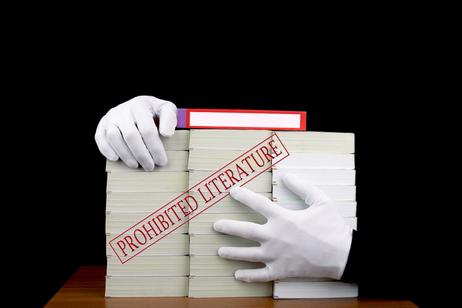
- That's why we must take the current controversy over book banning seriously.

The freedom to read is a fundamental right that forms the cornerstone of a robust democratic society.
- However, banning books in public K-12 schools has periodically surfaced throughout history, bringing this freedom under scrutiny.
- The a sharp rise in censorship challenges in recent years, with a record 4,240 unique book titles challenged in 2023 alone, reflecting a sustained national surge in book restrictions through 2025.
Recent reporting from PBS News highlights how book bans have increasingly targeted titles addressing race, gender identity, and social justice, reflecting broader cultural and political debates in U.S. education.
Historical Examples
The negative impact of banning books in education becomes apparent when examining historical cases.
- A notable example includes
- Ironically, it
. . .read more