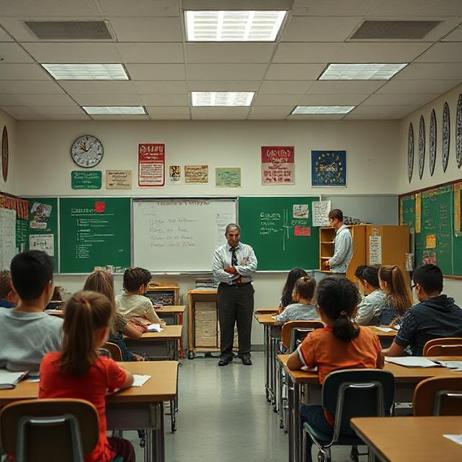
Competency-based education models in public schools are gaining attention as educators seek new ways to personalize learning and ensure students truly master academic skills. Unlike traditional education systems, where students progress based primarily on time spent in a classroom, competency-based models allow students to advance once they demonstrate mastery of specific knowledge or skills.
Many school districts are exploring new instructional frameworks to address changing academic expectations and workforce demands. As discussed in the ÿÈճԹÏ article on the future of public education in America, educators and policymakers are increasingly examining flexible learning models that emphasize outcomes and measurable skills.
For parents evaluating public school options, understanding competency-based education models in public schools can help clarify how learning, assessment, and student progression may differ from traditional classroom structures.
What Is Competency-Based Education?
Competency-based education focuses on ensuring that students demonstrate mastery of clearly defined learning objectives before moving on to new material. Rather than advancing students based on a semester schedule or school calendar, progress is tied to demonstrated understanding.
In competency-based systems, learning goals are typically transparent and measurable. Students know what skills they are expected to master and how they will demonstrate that mastery.
Common elements of competency-based learning include:
- Clearly defined academic competencies
- Flexible pacing that adapts to individual learning needs
- Frequent feedback and formative assessments
- Opportunities to revise work until mastery is demonstrated
- Real-world application of knowledge through projects or presentations
A widely cited explanation of the model appears in the research report “