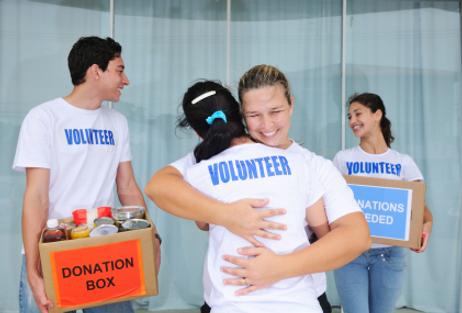
Biology, algebra, English, and history classes are often no longer sufficient on their own for high school graduation in 2026. With steadily rising graduation standards, many school districts now require students to complete community service or service-learning hours before earning their diplomas. As a result, many teens are finding unique and engaging ways to become involved in their local areas.
Volunteer Requirements
States and major districts, including Maryland and large urban systems such as Chicago and Los Angeles, have implemented or expanded community service expectations as part of graduation requirements. For example, Los Angeles Unified School District continues to require students to complete a minimum number of verified community service hours with approved nonprofit or government organizations in order to graduate.
Schools implementing these service requirements report both immediate and long-term benefits for students. As students volunteer, they are exposed to different cultures, social settings, personal backgrounds, and new experiences. With these experiences, public students are able to add depth to their learning and development, which helps them both as teenagers and adults.
In contrast, some districts stop short of mandates and instead require schools to offer structured, accessible community service opportunities. In New York City and similar districts, education leaders continue to prioritize expanded access to voluntary service opportunities rather than strict mandates. District policies now emphasize that schools should actively connect students with vetted service opportunities through school partnerships and community organizations. With approximately 1.1 million children in New York鈥檚 public schools, many community members believe that this step can be a force of incredible change for the city.
The Vision of Service
To guide public schools and students in their quest for enhanced community involvement, there is an array of organizations devoted to boosting volunteerism opportunities. For example, , formerly the Corporation for National and Community Service, is a leading federal agency focused on expanding civic engagement and volunteerism nationwide. As CNCS reveals, 鈥淭he mission of the Corporation for National and Community Service is to improve lives, strengthen communities, and foster civic engagement through service and volunteering. AmeriCorps advances this mission through a range of national and local programs, with a strong emphasis on youth engagement and service-learning opportunities.
Programs such as service-learning initiatives supported by AmeriCorps and state education agencies continue to integrate community service into academic instruction. This project specifically supports schools and higher education institutions to engage their students, teachers, and parents in various service-learning opportunities. This approach helps students build academic skills while developing civic responsibility through real-world experiences. Service-learning connects classroom instruction with meaningful community engagement, allowing students to apply academic knowledge while contributing to their communities.
Research continues to show that service-learning can improve academic outcomes, increase student engagement, and strengthen civic responsibility. Adding to these personal benefits for each student, this movement can also help lead to an overall stronger community.
Does My Child Need to Volunteer?
If your teenager is in the upper grades of high school, it is important to confirm whether community service or service-learning hours are required for graduation. To find out more, check your child鈥檚 school website or be sure to attend your school鈥檚 PTA meetings to learn about the latest updates and mandates. While service requirements are now well established in many districts, policies continue to evolve as schools expand civic engagement and career-readiness expectations.