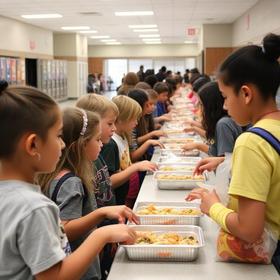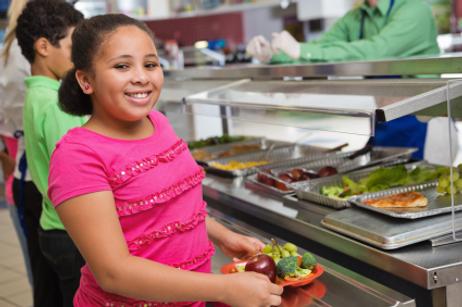
Forget the days of "pigs-in-a-blanket" and pizza for lunch. Today's public schools are hopping on the fruits and veggies bandwagon with more salad bars coming to schools this year. The new program, dubbed, "Let's Move Salad Bars to Schools," was kicked off at Riverside Elementary School in Miami, Florida this month, according to . Riverside is the first elementary school in the country to enjoy the fresh fruits and vegetables the new salad bar offers.
This video explains how to utilize a new school salad bar in a healthy and safe manner.
The Choice of Riverside
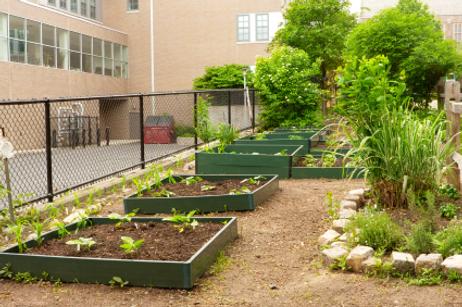
Riverside Elementary was chosen to be the first school in this initiative because students in the school have begun growing their own garden, filled with tomatoes, eggplant, and kale, among other delectable selections. It is hoped that the school will harvest its own produce and bring it directly to the salad bar for lunches and snacks. The garden is grown in cement boxes since the school does not have any additional land to use for growing crops.
Many of the Riverside students are also excited about the prospect of a salad bar in their school lunchroom. Luciano Cabrera, 12, told the Scholastic Press Corps, "[Salad bars] are important because they're nutritious and help you and your bones grow." Ashley Battle, 11, added, "[They're important because they make your brain stronger and give you