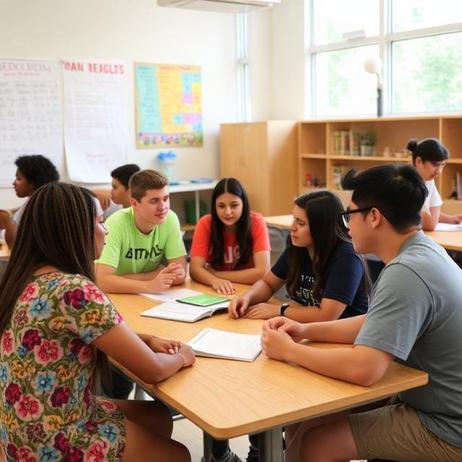
Summer programs have evolved far beyond simple enrichment or childcare. In 2026, they represent a critical opportunity for students to strengthen academic skills, explore interests, and build social confidence in structured yet flexible environments. For families navigating a growing number of options, understanding how to choose the right summer program for academic and social growth is essential.
The right program can reinforce classroom learning, foster independence, and help students develop meaningful peer relationships. The wrong one, however, may lead to disengagement or missed opportunities. This guide offers a practical framework to help parents and students make informed, strategic decisions.
Why Summer Programs Matter More Than Ever
Learning loss, often referred to as the 鈥渟ummer slide,鈥� remains a concern, particularly in math and reading. According to the, students can lose measurable academic progress over extended breaks without structured learning opportunities.
At the same time, social development has become a priority in the wake of increased digital learning and reduced in-person interaction in recent years. High-quality summer programs address both needs by combining academic enrichment with collaborative, real-world experiences.
Key benefits include:
- Reinforcement of core academic skills
- Exposure to new subjects and career pathways
- Development of teamwork and communication skills
- Increased confidence and independence
Start With Clear Goals
Before reviewing brochures or websites, families should define what they want the program to achieve. Not all summer programs serve the same purpose.
Common Goals to Consider
- Academic improvement in a specific subject
- Enrichment or acceleration beyond grade level
- Social development and peer interaction
- College or career exploration
- Structured environment for productivity
For example, a student struggling in math may benefit from a targeted academic program, while another interested in engineering might thrive in a STEM-focused camp.
Clarity at this stage simplifies decision-making and prevents selecting a program based solely on convenience or popularity.
Understand the Types of Summer Programs
Summer offerings generally fall into several categories. Understanding these distinctions is key when considering how to choose the right summer program for academic and social growth.
Academic Enrichment Programs
These focus on traditional subjects such as math, reading, and writing. Many are designed to reinforce skills or provide advanced instruction.
STEM and Specialized Programs
Programs centered on science, technology, engineering, arts, or specific interests like coding or robotics. These are ideal for students exploring passions or future careers.
College Prep Programs
Often hosted by universities, these programs introduce high school students to college-level coursework and campus life.
For example, many institutions listed by the offer summer experiences that combine academics with admissions insight.
Recreational and Social Development Camps
These emphasize teamwork, leadership, and interpersonal skills, often through sports, arts, or group activities.
Hybrid Programs
Increasingly popular in 2026, hybrid programs blend academics with experiential learning, such as project-based STEM camps or leadership institutes.
Evaluate Program Quality
Not all programs are created equal. Families should assess quality based on several measurable factors.
Key Indicators of a Strong Program
- Qualified instructors with relevant credentials
- Structured curriculum with clear learning outcomes
- Low student-to-teacher ratios
- Accreditation or affiliation with recognized institutions
- Positive reviews or testimonials
Organizations like the provide accreditation standards that can help parents evaluate program quality and safety.
Compare Program Formats
In 2026, summer programs are offered in multiple formats, each with distinct advantages.
Format Comparison Table
| Format | Benefits | Considerations |
|---|---|---|
| In-Person | Strong social interaction, hands-on learning | Requires transportation or relocation |
| Virtual | Flexible, accessible from anywhere | Limited face-to-face interaction |
| Hybrid | Balanced academic and social experience | May require schedule coordination |
| Residential | Immersive, builds independence | Higher cost, time commitment |
| Day Programs | Local, convenient | Less immersive than residential |
Choosing the right format depends on the student鈥檚 maturity level, learning style, and family logistics.
Prioritize Social Growth Opportunities
Academic enrichment is important, but social development is equally critical. Programs that incorporate collaboration, discussion, and group problem-solving tend to offer the most balanced growth.
Look for:
- Group projects or team-based learning
- Opportunities for peer interaction
- Structured social activities
- Mentorship or leadership components
Research from the highlights that social-emotional learning programs improve not only interpersonal skills but also academic performance.
Consider Cost and Value
Summer programs vary widely in price, from free community initiatives to high-cost residential experiences. However, cost alone does not determine value.
Questions to Ask
- What is included in the tuition?
- Are materials, meals, or housing covered?
- Are scholarships or financial aid available?
- Does the program offer measurable outcomes?
Many public school districts and nonprofit organizations offer subsidized or free programs, making quality options accessible to a broader range of families.
Look for 2026 Trends and Innovations
Summer programs continue to evolve. Staying aware of current trends can help families make more forward-thinking choices.
Notable Trends
- AI and digital literacy programs: Courses teaching coding, machine learning basics, and responsible AI use
- Career exploration tracks: Programs aligned with high-demand industries
- Project-based learning models: Students solve real-world problems rather than complete traditional assignments
- Mental wellness integration: Programs incorporating mindfulness, stress management, and emotional resilience
These innovations reflect broader shifts in education and workforce expectations.
Involve the Student in the Decision
Student buy-in is crucial. Even the most prestigious program will have limited impact if the student is not engaged.
Encourage students to:
- Review program options
- Identify areas of interest
- Ask questions or attend virtual info sessions
- Reflect on past summer experiences
This involvement increases motivation and ensures the program aligns with the student鈥檚 interests and goals.
Red Flags to Avoid
While many programs are well-designed, some fall short of expectations. Be cautious of:
- Vague or unclear curriculum descriptions
- Overly large group sizes
- Lack of instructor credentials
- Limited communication from organizers
- No measurable outcomes or feedback
Programs that cannot clearly articulate their value should be approached with caution.
Final Checklist for Parents
When determining how to choose the right summer program for academic and social growth, use this checklist:
- Defined goals for academic and social development
- Program aligns with student interests and needs
- Verified quality indicators and credentials
- Appropriate format and schedule
- Balanced focus on academics and social interaction
- Transparent pricing and clear value
- Positive reviews or trusted recommendations
Conclusion
Choosing a summer program is no longer a simple decision. With a wide range of options available, families must take a thoughtful, strategic approach. Understanding how to choose the right summer program for academic and social growth ensures that students not only maintain academic momentum but also develop the interpersonal skills essential for long-term success.
The best programs strike a balance, challenging students intellectually while fostering collaboration, confidence, and curiosity. With careful planning and informed evaluation, summer can become one of the most impactful learning periods of the year.
FAQ
What is the ideal age to start summer academic programs?
Many students begin as early as elementary school, but middle school is often the most impactful time to combine academic and social development.
Are virtual summer programs effective?
Yes, particularly for academic subjects. However, they may offer fewer opportunities for social interaction compared to in-person programs.
How long should a summer program last?
Programs typically range from one to eight weeks. The ideal length depends on the student鈥檚 goals and attention span.
Do summer programs help with college admissions?
Some programs, especially college prep or specialized academic camps, can strengthen applications by demonstrating initiative and interest.
How far in advance should families apply?
Many competitive programs fill up by early spring. Starting the search in January or February is recommended.