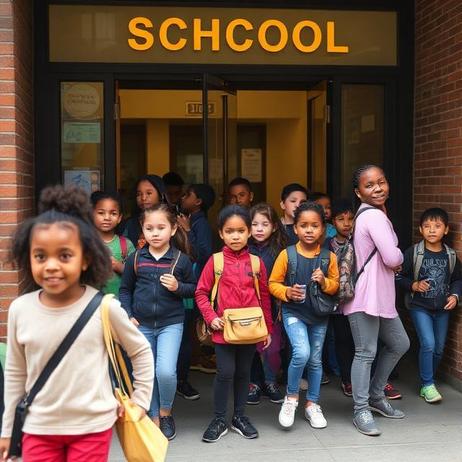
Despite years of policy discussions and reform efforts, New York City’s public school system remains one of the most segregated in the United States in 2026. While the city is among the most diverse in the world, its schools continue to reflect stark racial and socioeconomic divides that shape educational outcomes.
For parents, educators, and policymakers, understanding why NYC schools are still highly segregated is essential to navigating school choice, advocating for equity, and evaluating future reforms.
A Persistent Pattern of Segregation
New York City’s segregation is not new, but recent data confirms that progress has been limited. According to ongoing research from the, NYC consistently ranks among the most segregated large school districts in the country, particularly for Black and Latino students.
Several patterns continue to define the system in 2026:
- Many schools are overwhelmingly composed of a single racial or ethnic group
- White and Asian students are disproportionately represented in selective and specialized programs
- High-poverty schools remain concentrated in specific neighborhoods
- Academic outcomes often correlate strongly with school demographics
The result is not just separation, but unequal access to resources, experienced teachers, and advanced coursework.
What the Latest Data Shows
Recent reports from the highlight how deeply entrenched these disparities remain.
Key Trends in 2026
Indicator | Reality in NYC Schools |
Racial Isolation | Over half of Black and Latino students attend schools that are more than 80% non-white |
Economic Segregation | High-poverty schools cluster in specific boroughs and districts |
Selective Access | Gifted, specialized, and screened schools enroll disproportionately fewer low-income students |
Achievement Gaps | Standardized test scores continue to track with income and race |
These patterns persist even as overall diversity in the city increases.
Root Causes of School Segregation
Understanding why NYC schools remain segregated requires looking beyond the classroom. Several structural factors continue to reinforce division.
1. Residential Segregation
Housing patterns in New York City strongly influence school demographics. Since most students attend zoned schools, neighborhood segregation translates directly into school segregation.
Families living in higher-income neighborhoods often have access to better-funded schools, while lower-income areas face fewer options.
For a broader look at how geography shapes education, see Understanding School District Boundaries.
2. School Choice and Screening Policies
While NYC offers extensive school choice, including charter schools and specialized high schools, the system can unintentionally deepen inequities.
Selective admissions criteria, such as test scores, attendance, and grades, often advantage students with greater academic support and resources.
Parents exploring these systems may benefit from reviewing Charter Schools: Pros and Cons, which explains how alternative school models can influence access and equity.
3. Gifted and Talented Programs
Gifted and talented programs have long been criticized for underrepresenting Black and Latino students. Although reforms have been introduced in recent years, disparities remain in 2026.
Access to early test preparation, awareness of application processes, and preschool opportunities all play a role in who qualifies.
4. Specialized High School Admissions
NYC’s specialized high schools continue to rely heavily on a single admissions exam. Critics argue that this system disproportionately benefits students who can afford intensive test preparation.
Efforts to diversify these schools have sparked debate, but significant demographic shifts have yet to materialize.
Policy Efforts and Their Impact
Over the past decade, city leaders have introduced several initiatives aimed at reducing segregation. These include:
- Diversity targets in admissions policies
- Expansion of lottery-based enrollment systems
- Changes to gifted program structures
- Increased funding for underserved schools
However, the results have been mixed.
A 2025–2026 analysis from the suggests that while some districts have seen modest improvements, system-wide segregation levels remain largely unchanged.
Why Progress Has Been Slow
Several challenges continue to limit the effectiveness of reforms:
- Resistance from communities concerned about losing access to high-performing schools
- Legal constraints on race-based admissions policies
- Complex coordination across hundreds of schools and districts
- Persistent inequality outside the education system, especially in housing
In short, school segregation reflects broader societal patterns that cannot be solved by education policy alone.
How Segregation Affects Students
The impact of school segregation extends far beyond demographics. Research consistently shows that it influences academic outcomes, social development, and long-term opportunities.
Academic Consequences
Students in high-poverty, segregated schools often face:
- Larger class sizes
- Fewer advanced placement or honors courses
- Higher teacher turnover
- Limited extracurricular offerings
According to the, these factors contribute to persistent achievement gaps across racial and socioeconomic groups.
Social and Emotional Impact
Segregation also limits students’ exposure to diverse perspectives, which can affect:
- Cultural understanding
- Collaboration skills
- College and career readiness
Diverse learning environments have been shown to improve critical thinking and reduce bias, benefits that many NYC students still lack.
What Parents Should Know in 2026
For families navigating NYC’s public school system, understanding these dynamics is essential.
Key Considerations
- Research school demographics alongside academic performance
- Understand admissions criteria for selective programs
- Explore multiple school options, including zoned, charter, and magnet schools
- Stay informed about policy changes that may affect enrollment
Families new to the process can also benefit from Public School vs Private School: Key Differences, which outlines broader considerations when evaluating educational options.
Are There Signs of Change?
While the overall picture remains challenging, there are pockets of progress.
Some districts have successfully implemented:
- Controlled choice models that balance diversity and family preference
- Integrated school initiatives that prioritize socioeconomic balance
- Community-driven rezoning efforts
These localized successes suggest that meaningful change is possible, but scaling these models across a system as large as NYC remains a significant challenge.
Looking Ahead: What Comes Next?
As of 2026, school segregation in New York City remains a defining issue in public education. However, several emerging trends could shape the future:
- Increased focus on socioeconomic integration rather than race-based policies
- Greater transparency in admissions and enrollment data
- Continued debate over specialized school admissions
- Expansion of early childhood education to level the playing field
Ultimately, progress will likely depend on coordinated efforts across education, housing, and public policy.
Conclusion
NYC schools are still among the most segregated in 2026, reflecting deep-rooted structural inequalities that extend beyond the classroom. While reforms have made incremental progress, significant disparities remain in access, opportunity, and outcomes.
For families, understanding how segregation shapes the school system is critical to making informed decisions. For policymakers, the challenge is clear: meaningful integration will require sustained commitment, innovative solutions, and a willingness to address broader social inequities.
As the conversation continues, one thing is certain, achieving a more equitable school system in New York City will remain a central issue in public education for years to come.
FAQ
Why are NYC schools still so segregated in 2026?
Segregation is driven by a combination of residential patterns, selective admissions policies, and unequal access to resources, all of which reinforce existing inequalities.
Has there been any improvement in recent years?
Some districts have made progress through targeted initiatives, but system-wide segregation levels remain largely unchanged.
How does school segregation affect student outcomes?
Segregation often leads to unequal access to experienced teachers, advanced coursework, and resources, contributing to achievement gaps.
What can parents do to navigate the system?
Parents should research school options carefully, understand admissions processes, and consider a range of educational pathways, including charter and magnet schools.